
In today's commercial buildings, energy management systems are crucial for optimizing energy usage and minimizing costs. These systems monitor and control energy consumption to ensure the efficient operation of building components. For businesses where energy usage is significant, implementing an effective energy management system is not just smart—it's essential for cost savings and environmental responsibility.
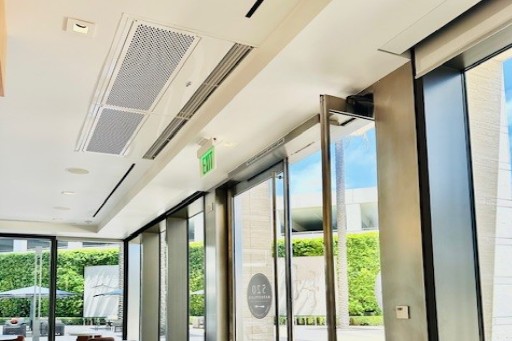
An often overlooked but highly effective component for boosting energy efficiency is the air curtain. By creating a barrier of air, air curtains separate different environments, reducing air transfer and maintaining indoor temperatures. This minimizes the workload on heating and cooling systems. Integrating air curtains into energy management systems can significantly enhance a building's energy efficiency and sustainability.
Boosting Energy Efficiency in Office Buildings
Energy efficiency in office buildings means using less energy to achieve the same results, leading to lower bills and a reduced environmental footprint. Energy-efficient buildings use advanced technology and smart design to cut down on energy waste, making them both sustainable and cost-effective.
Air curtains play a vital role in this by minimizing energy loss at entry points. They help maintain the desired indoor climate, reducing the need for heating or cooling. This not only cuts energy consumption but also extends the life of HVAC systems by lowering their load.
For more on how technology is advancing energy efficiency, explore the Department of Energy's Building Energy Modeling page. It offers valuable insights into optimizing energy use in office buildings.
The Role of Building Management Systems (BMS) and Facility Energy Management Systems
In energy management, the Building Management System (BMS) is a key player. A BMS is a sophisticated control system that monitors and manages a facility's mechanical, electrical, and electromechanical services, including lighting, HVAC, and more, to ensure optimal energy use and comfort.
Key components of a BMS include:
-
Sensors and meters for data collection on energy use and environmental conditions.
-
Controllers that process data and optimize energy use.
-
User interfaces for facility managers to monitor and adjust settings.
Facility energy management systems take it a step further by integrating BMS with other tools to enhance overall energy efficiency. Incorporating air curtains into these systems can significantly boost their performance by:
-
Reducing energy loss at entry points with an air barrier.
-
Supporting temperature control, easing HVAC system loads.
-
Improving indoor air quality by keeping out pollutants and flying pests.
Integrating air curtains into BMS operations can lead to substantial energy savings and improved operational efficiency. For real-world examples, visit the Energy Management Case Studies - Better Buildings Solution Center.
Commercial Sustainability and Air Curtains
As businesses focus more on sustainability, reducing environmental impact while maintaining financial success becomes crucial. Air curtains support sustainability goals by:
-
Minimizing energy consumption with efficient climate control.
-
Enhancing sanitation by blocking airborne contaminants and flying pests.
Businesses can also benefit from incentives like the 179D Energy Efficient Commercial Buildings Tax Deduction, which encourages energy-efficient practices.
Integrating air curtains into your facility's energy management strategy not only supports sustainability but also aligns with economic incentives, creating a win-win for the environment and your bottom line.
Benefits of Building Energy Management
Implementing building energy management systems offers numerous benefits, enhancing both operational efficiency and sustainability. Here's how:
-
Cost Savings: Optimizing energy use significantly reduces utility bills over time.
-
Improved Comfort: Consistent indoor climates enhance occupant comfort and productivity.
-
Reduced Environmental Impact: Lower energy consumption reduces the building's carbon footprint.
-
Enhanced System Control: Centralized platforms make it easy to monitor and improve energy use.
Air curtains are crucial here by:
-
Maintaining Indoor Climate: Minimizing air exchange at entry points keeps preferred indoor temperatures, reducing HVAC loads.
-
Reducing Energy Loss: They effectively prevent outside air from entering, conserving the energy needed to heat or cool the building.
Conclusion and Next Steps
In conclusion, integrating air curtains into energy management systems for commercial buildings provides numerous benefits, from cost savings to enhanced comfort and sustainability. These systems are essential for optimizing energy use and improving operational efficiency.
By choosing Mars Air Systems, you can explore a range of air management solutions tailored to your needs. Mars Air Systems offers consulting and customization services to help you achieve your energy efficiency goals. Visit Mars Air Systems to learn more about how air curtains can be a valuable addition to your building's energy management strategy.